What you can handle safely
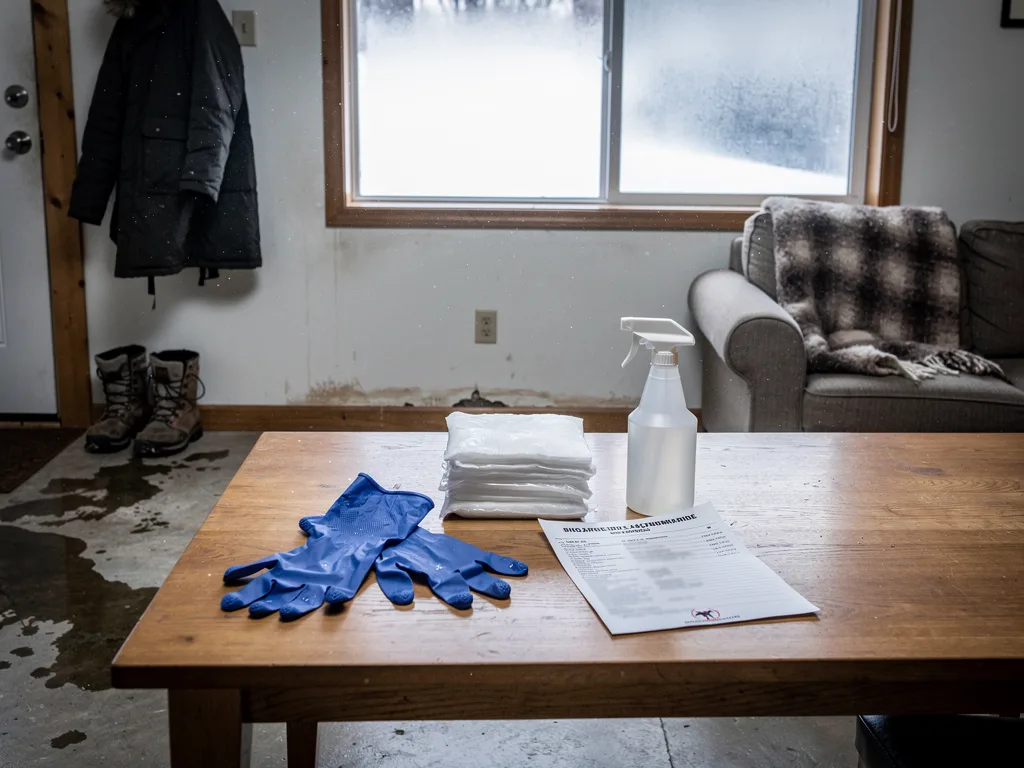
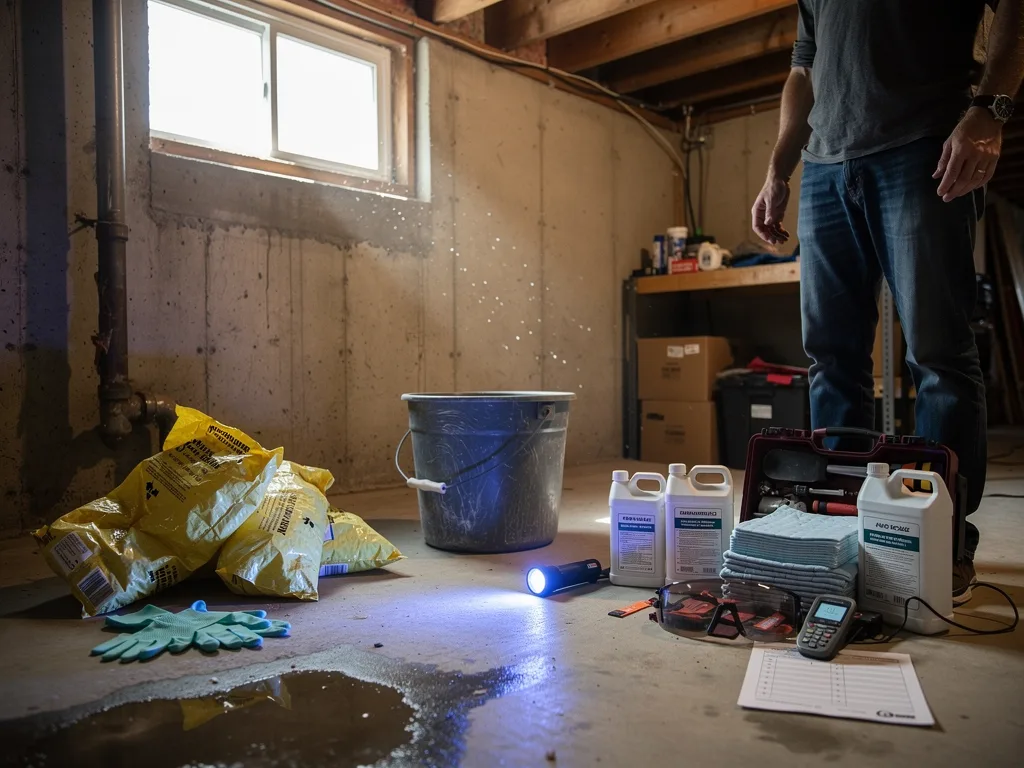
For minor, non-contaminated messes you can manage with household cleaners, start by cleaning the surface quickly to reduce odors. Use disposable gloves and a sealed bag for trash, and follow label directions on cleaners. If there is no obvious contamination, and you can see the surface is structurally sound, you may be able to address the mess with basic cleaning and sanitization steps.
Document your steps and keep a log of what was cleaned and with what products. This helps the next steps if you do decide to bring in a biohazard remediation technician later on. Wisconsin homeowners should be cautious about unknown substances or persistent odors that resurface after cleaning.
When to call a pro
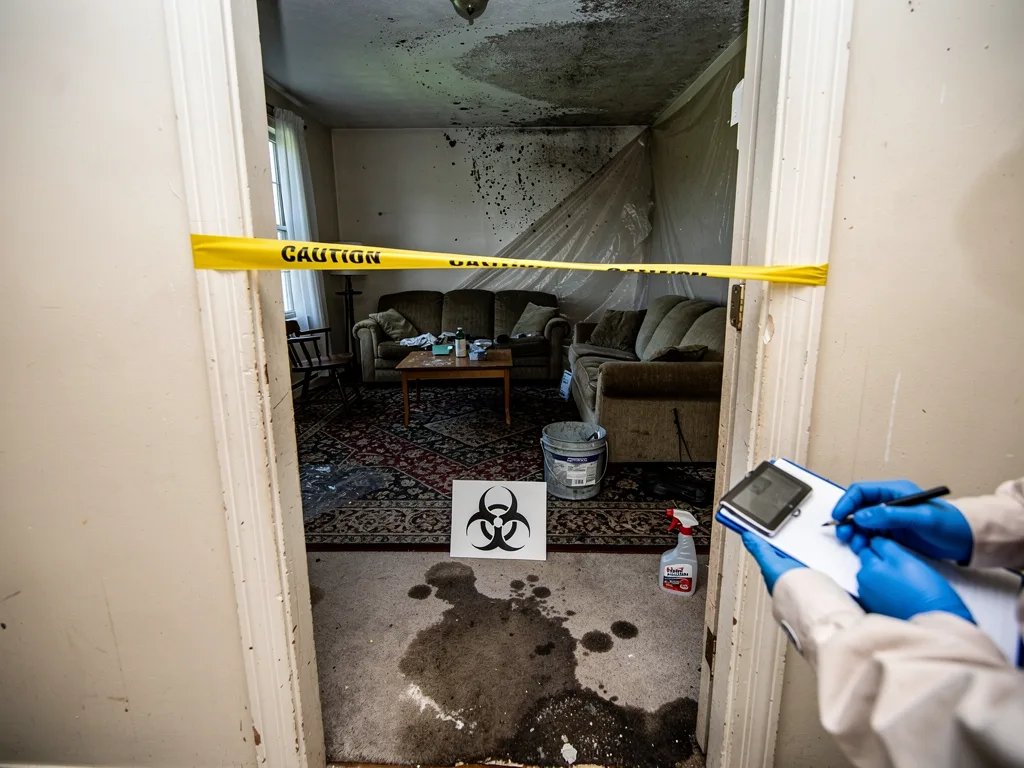
If you encounter any of these, bring in our Wisconsin-wide team for an assessment: persistent or strong odors after cleaning, blood or unusual staining, signs of moisture or mold, or if the area has been exposed to biological materials. Containment and specialized cleaning methods are often required to prevent cross-contamination and to meet health and safety standards.
Our biohazard remediation technicians will perform a thorough inspection, establish containment, and outline a stepwise remediation plan. The goal is to restore safety, not just visible cleanliness, and to do so in a way that respects your home’s structure and your family’s well being.
Costs and expectations
We won’t quote a price without evaluating the space. Our approach focuses on honesty and clarity. If you’re unsure, a brief phone call can provide initial guidance and set up a no-pressure assessment across Wisconsin. A professional assessment helps you avoid repeating cleaning efforts or missing systemic issues.
First steps you can take with confidence
- When in doubt, pause cleaning and call for an assessment.
- Limit exposure by sealing off the area until professionals arrive.
- Be ready to describe what you’ve seen, when it started, and any odors or moisture changes.