Winter and cold weather considerations
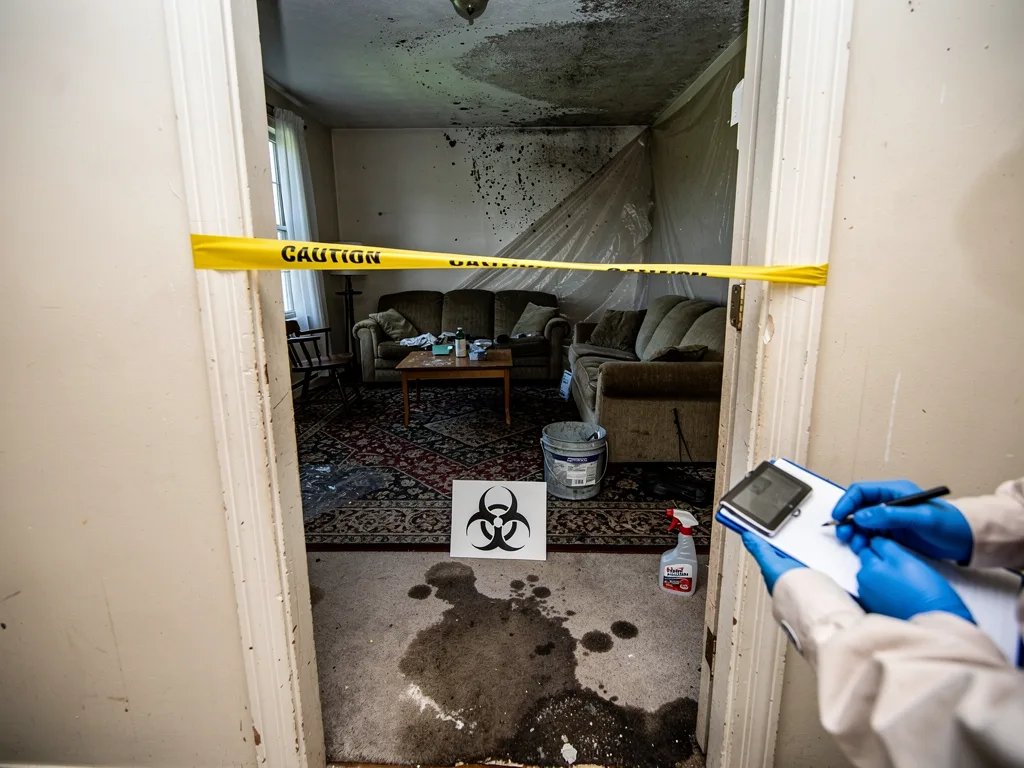
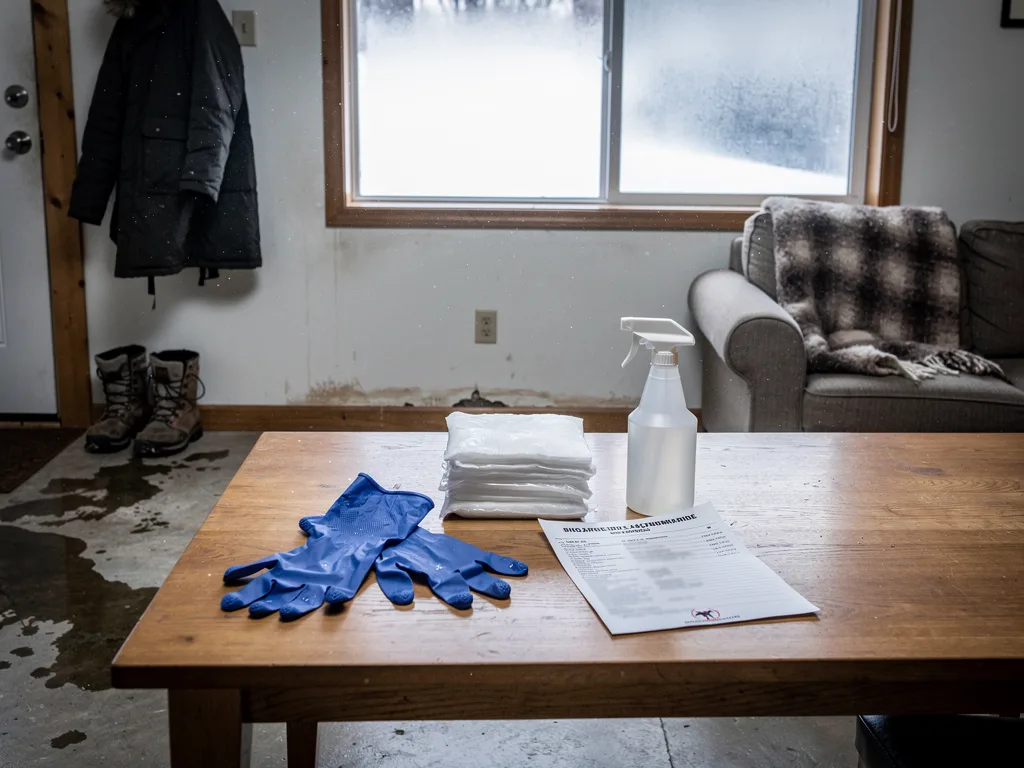
Cold snaps increase indoor humidity in some spaces when heating cycles run. That extra moisture can drive mold growth and other biohazards if there’s a hidden leak or water intrusion. Check basements and crawl spaces for dampness after cold snaps, and look for condensation on windows and walls inside. If you smell must or see dampness, call a biohazard remediation technician for an evaluation before it worsens.
Regularly inspect water heaters, pipes, and insulation around suspect areas. In Wisconsin, frozen pipes can burst, leading to sudden moisture intrusion that feeds mold and contamination risk. Early detection helps you avoid bigger cleanup jobs later.
Spring and warming temperatures
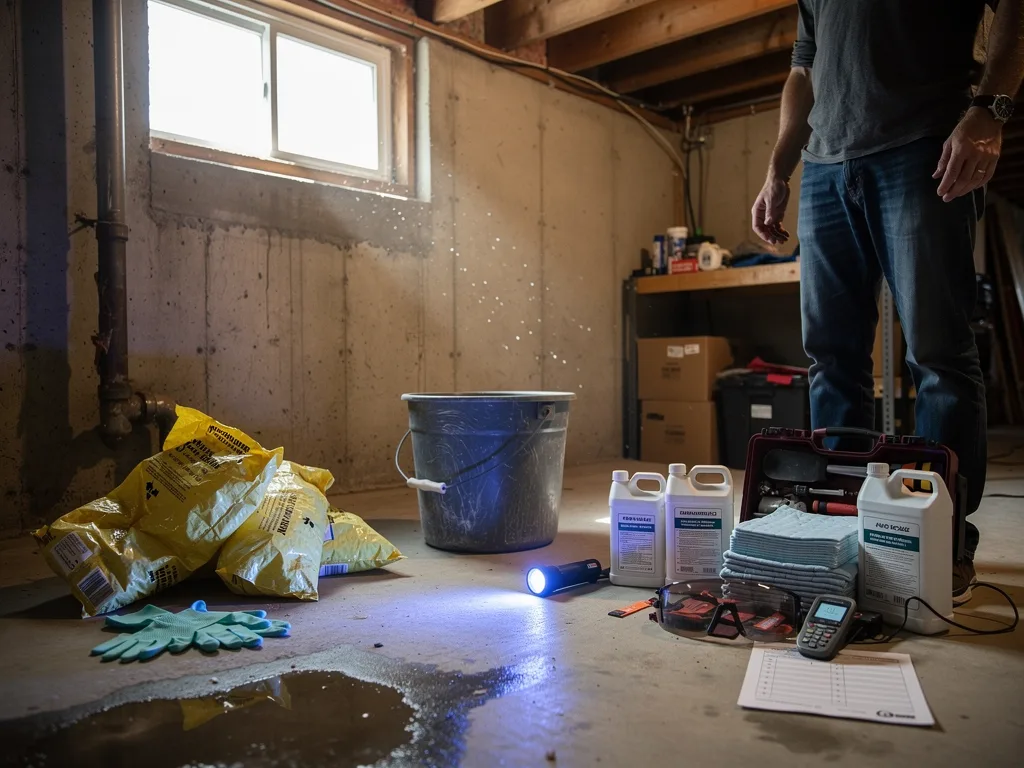
Spring brings thaw cycles that can release hidden dampness into walls and floors. Wet basements are a common Wisconsin issue after heavy rains or rapid temperature changes. If you notice efflorescence, musty odors, or damp spots near foundation walls, have a professional check the area. A prompt assessment reduces the chance of long cleanup projects and minimizes disruption to your home environment.
Ventilation improves air quality as outdoor temps rise. Use fans and open windows when safe to improve circulation, but avoid moving dusty or contaminated debris around the home without proper PPE. Our crews in Wisconsin can help design a seasonal plan that matches your home’s layout and moisture profile.
Summer readiness and maintenance
Warm weather can accelerate biological growth in humid spaces. Regular inspection of basements, bathrooms, and laundry areas is important. Check for damp patches around sinks, toilets, and tubs. If you notice persistent odors or discolored surfaces, don’t delay. Our biohazard remediation technicians can determine whether a localized cleanup is enough or if a broader restoration is needed.
Seasonal maintenance also means keeping storage areas clean and dry. Use desiccants in closets or under sinks where moisture tends to collect. Proper organization reduces clutter that can trap contaminants and makes it easier for our crews to work efficiently across Wisconsin.
Practical Wisconsin-wide tips
- Keep an up-to-date home moisture log and note any unusual smells or damp spots.
- Schedule periodic inspections in to-bring-dry weather windows across Wisconsin, especially after heavy rainfall or rapid temperature changes.
- Have a plan for quick access to a professional team should an issue appear during a seasonal shift.